Comprehensive Guide to Sarpa Samskara Pooja: Meaning, Procedure, and Significance
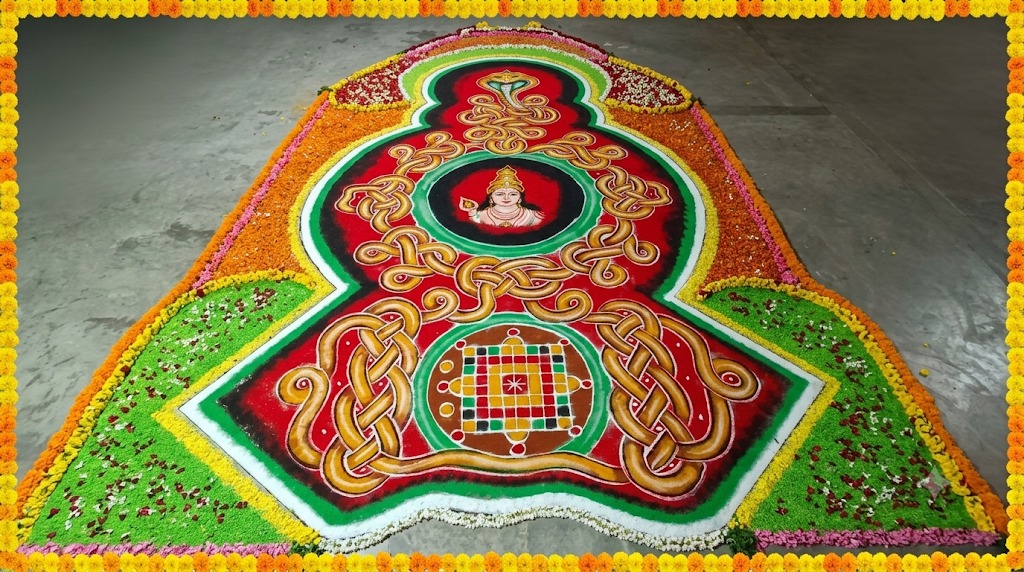
What Is Sarpa Samskara Pooja?
Sarpa Samskara is a profound and traditional Hindu religious ritual performed to seek forgiveness and spiritual relief (parihara) for known or unknown harm caused to serpents (Nagas). In Hindu tradition, the word Sarpa refers to a serpent, and Samskara translates to a sacred rite or funeral observance.
Essentially, this pooja acts as the final funeral rite for a serpent that may have been harmed by an individual or their ancestors. By performing these sacred rites, devotees pray to the Naga Devatas for peace, harmony, and the removal of the karmic burden known as Sarpa Dosha.
Note on Venues: Whether you wish to perform this at Kukke Subramanya, near the Adi Subramanya temple, or at any other sacred location of your choice, Bhatru.com is always ready at your venue to facilitate the complete ritual with experienced priests.
Duration of the Pooja
While historically observed over multiple days in certain temple towns, the entire ritual can be completed authentically within 1 or 2 days, depending on the specific circumstances and convenience, under the guidance of Bhatru.com’s qualified priests, without compromising on the prescribed Vedic injunctions.
Who Should Perform Sarpa Samskara Pooja?
Astrologers typically suggest this pooja after studying a horoscope, but it is highly recommended for individuals facing the following karmic situations:
- Those who have directly or indirectly killed a snake, reptiles, animals or insects either individually or in a group.
- People who have knowingly or unknowingly blocked a Sarpa Patha (the daily travelling path of a snake).
- Individuals who have destroyed a serpent's dwelling (anthills) or eggs (Sarpa Anda).
- Anyone who has held a serpent in captivity (Sarpa Bandhan).
- Real Estate & Construction Professionals: Those engaged in real estate and construction—such as civil engineers, earth-moving equipment operators, and contractors—who may accidentally harm serpents or their habitats during excavations.
- Families with ancestral Sarpa Dosha or Kaal Sarpa Dosha indicated in their astrological charts.
Traditional Benefits of the Pooja
Devotees undertake this ritual with deep faith to seek divine grace for:
- Timely Marriage: Removing karmic obstacles causing unexplained delays in marriage.
- Progeny and Family Expansion: Seeking solutions for fertility issues or difficulties in conceiving.
- Career and Professional Success: Clearing sudden setbacks, hurdles, or continuous failures in one's profession.
- Health and Well-being: Finding relief from chronic skin ailments and ensuring overall good health.
- Family Harmony: Promoting peace, contentment, and resolving long-running ancestral disputes.
Detailed Procedure
The ritual is systematically divided into two main phases, conducted meticulously by our priests in a single day.
Phase 1: Sarpa Samskara (Purificatory and Funeral Rites)
This phase focuses on the purificatory and funeral rites for the serpent.
1 Maha Sankalpa: The ceremony begins with the devotee formally stating their intention (Sankalpa), including their name, gotra, and nakshatra, dedicating the ritual for Sarpa Dosha Nivarana.
2 Ganapati Pooja: Lord Ganesha is worshipped first to remove all obstacles and ensure the successful completion of the ritual.
3 Punyaha Vachana: A traditional purification ceremony using sacred water and mantras to sanctify the pooja space, the participants, and the pooja materials.
4 Naga Devata Avahana: The Naga Devatas are formally invoked with devotion, flowers, and prayers.
5 Sarpa Samskara Rituals (Funeral Rites): Symbolic representations of the serpent (often made of wheat flour or sacred clay) are wrapped in cloth. The priests guide the devotee in performing the final rites to seek forgiveness for harming the serpent species.
6 Sarpa Pinda Pradhana: Offerings of pindas (rice balls) are made to liberate the soul of the harmed serpent.
7 Homa and Agni Pooja: A sacred fire ritual is conducted. The symbolic serpent is offered into the Agni Gundam (sacred fire) while priests chant powerful Vedic Sarpa mantras.
8 Purnahuti: The concluding offering is made to the homa, dedicating the fire ritual to the divine.
Phase 2: Concluding Rituals and Nagaprathishta
Following the Samskara, the focus shifts to establishing divine grace and seeking blessings.
1 Nagaprathishta Pooja: The ritual installation and worship of a Naga Devata idol. This act is performed to pacify the serpent gods and invite their protective blessings.
2 Naga Devata Abhisheka: The installed deity is bathed with sacred items (like milk, water, and turmeric) accompanied by the chanting of purifying mantras.
3 Bali Pradhana: Traditional offerings are made to the guardian deities and nature spirits according to the specific sampradaya.

4 Mantra Pathana (done by our Bhatru.com Veda experts): The officiating priests continuously recite Vedic mantras to generate positive, protective vibrations for the devotee's lineage.
5 Ashirvachana: The priests offer their final blessings to the devotee and their family for a prosperous, obstacle-free future.
6 Prasadam Distribution: Sacred prasadam is handed over to the devotee, along with instructions on how to consume it in the coming days.
Important Guidelines, Dress Code, and Diet
Dress Code for Men
Recommended to wear a traditional Dhoti (Panche) and an upper cloth (Shalya). Shirts and vests must be removed during the core rituals.
Dress Code for Women
Recommended to wear a Saree or a traditional Chudidar or traditional dress.
Important Note on Attire & Cleanliness: Black clothing is not recommended. A head bath (or at least wetting the head in worse case) is recommended before sitting for the pooja.
Post-Pooja Dietary Observances (The 12-Day Procedure)
To ensure the spiritual sanctity of the ritual is maintained, devotees are advised to observe recommended dietary rules for 12 days following the pooja:
- Recommended to consume only strict vegetarian food.
- Completely avoid onions, garlic, and outside food (if possible).
- Avoid alcohol and smoking.
- Consume the given prasadam daily after a bath, before having breakfast.
General Restrictions
- Pregnant women and women undergoing their menstrual cycle are not recommended to participate in or perform this ritual.
- Devotees are not recommended to visit Vishnu temples or offer Sastanga Namaskara in other temples on the day of the pooja.
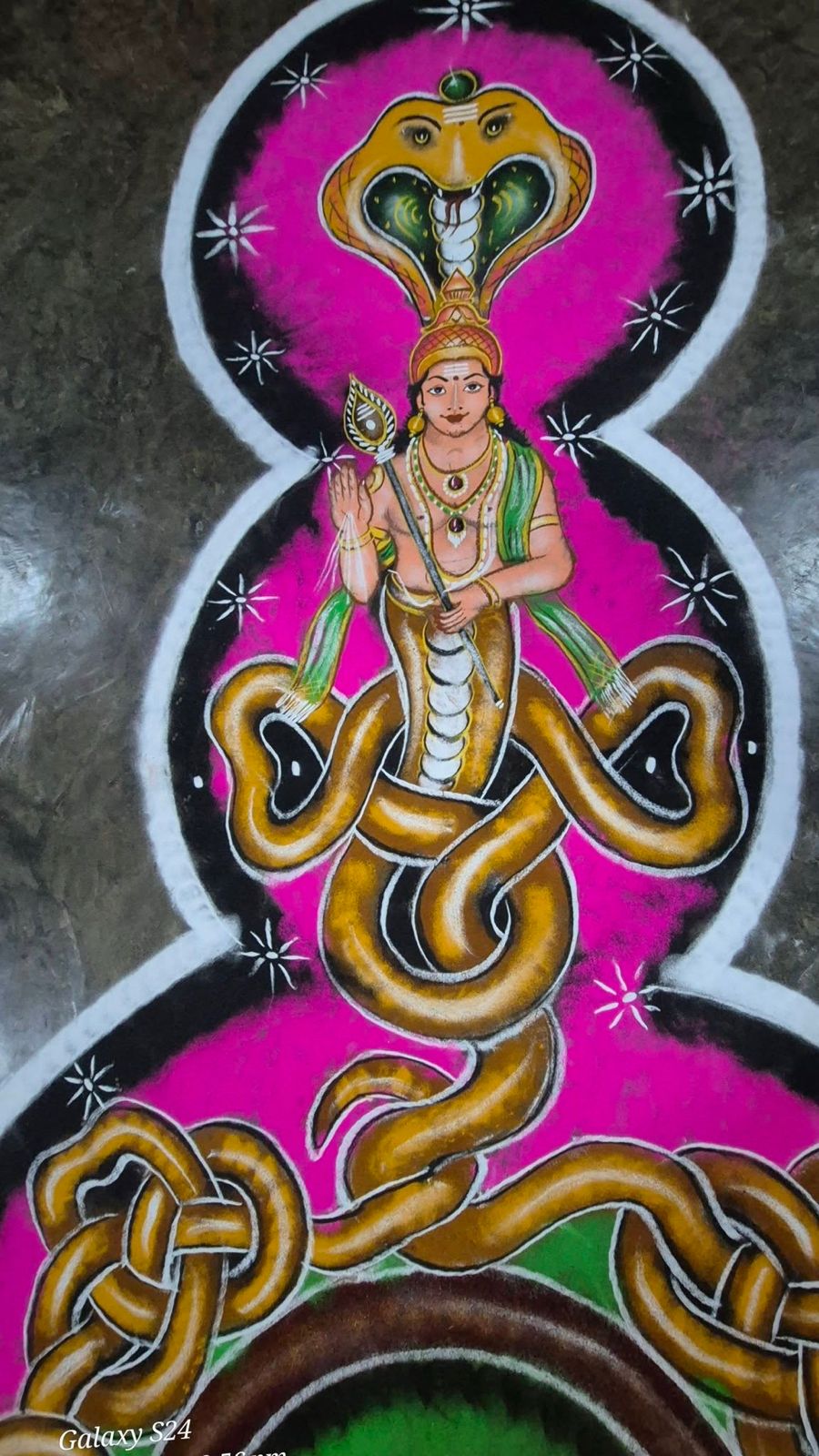
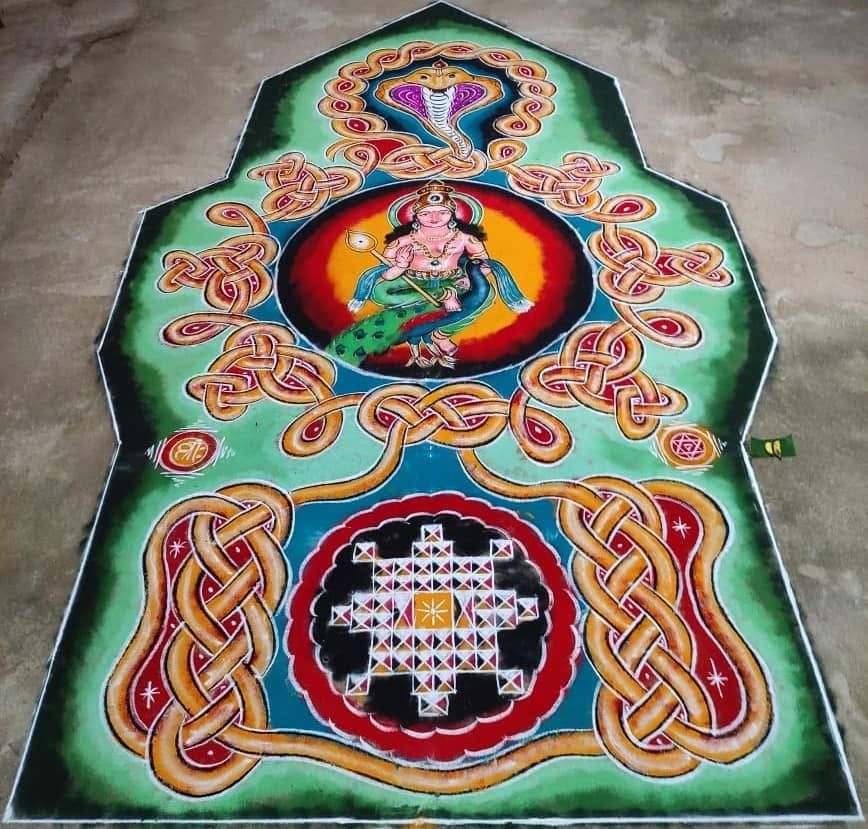
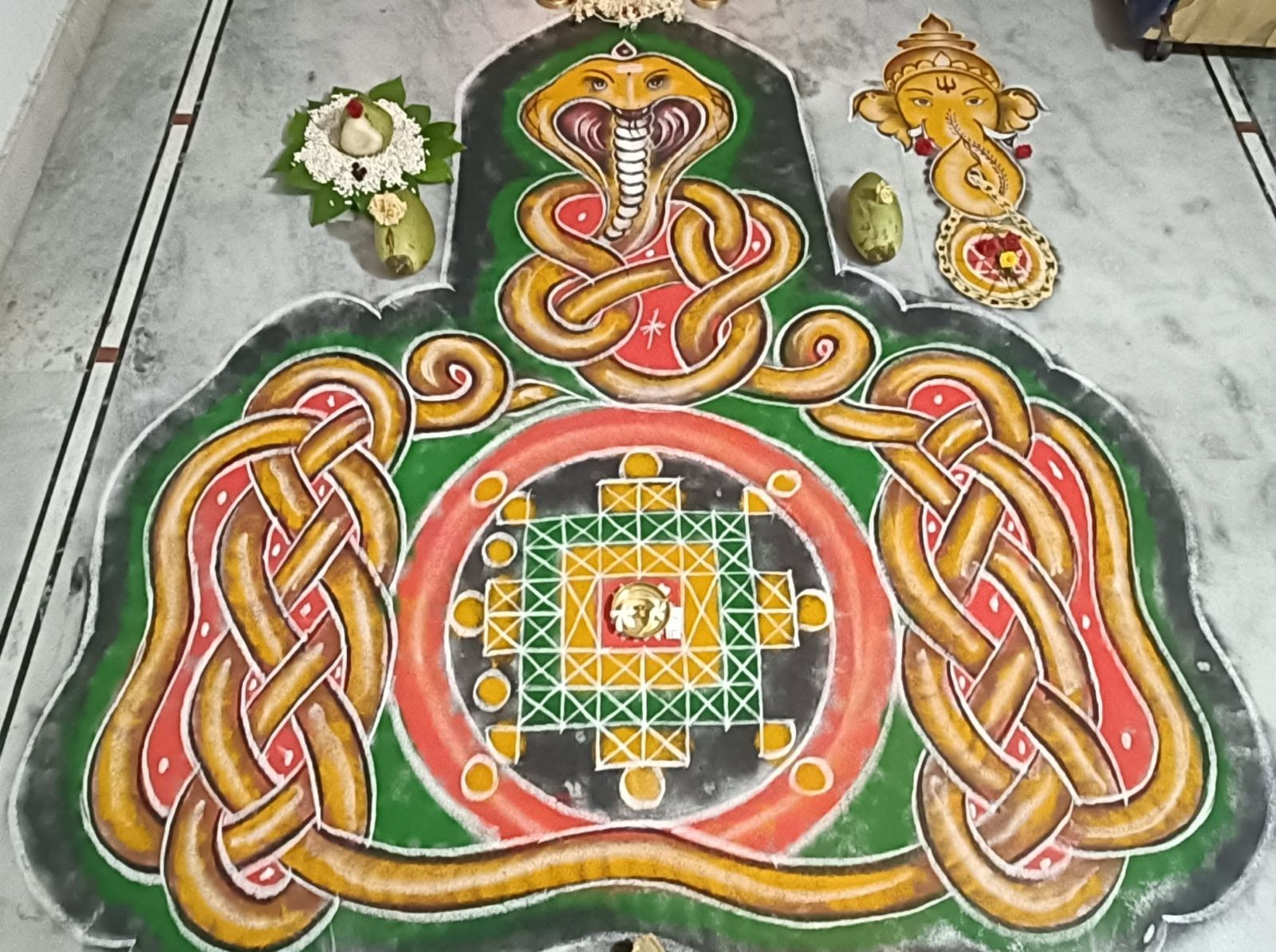
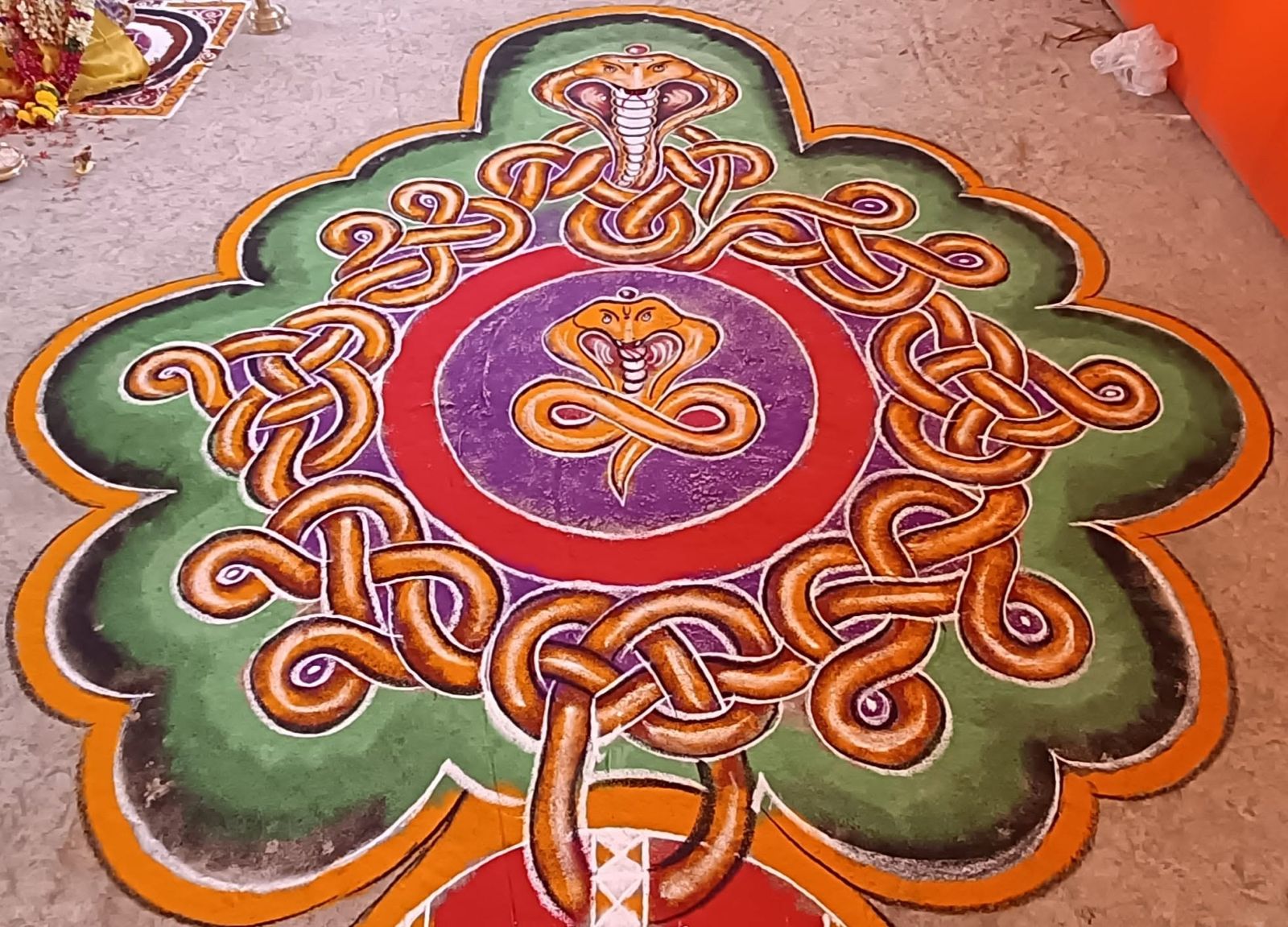
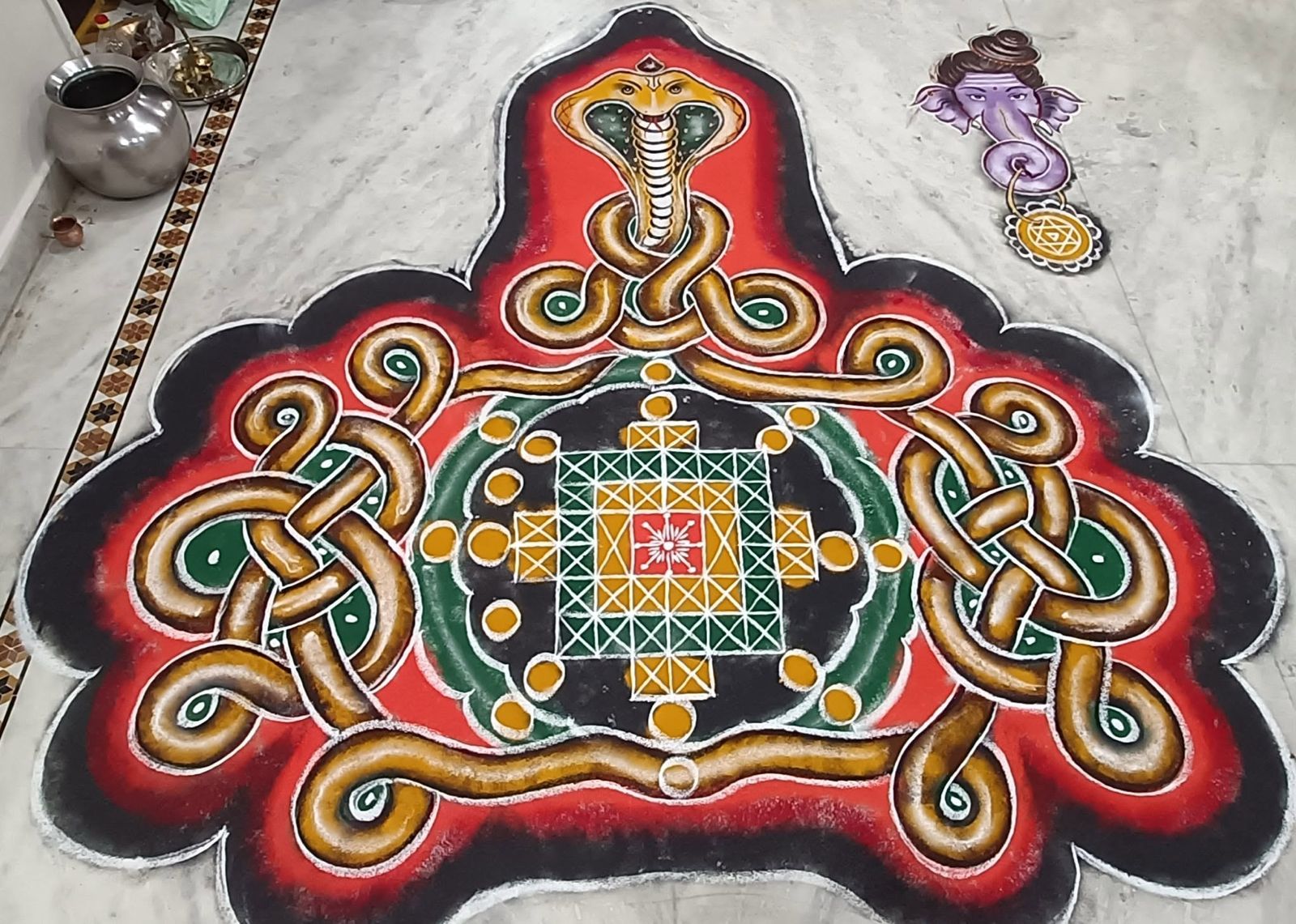
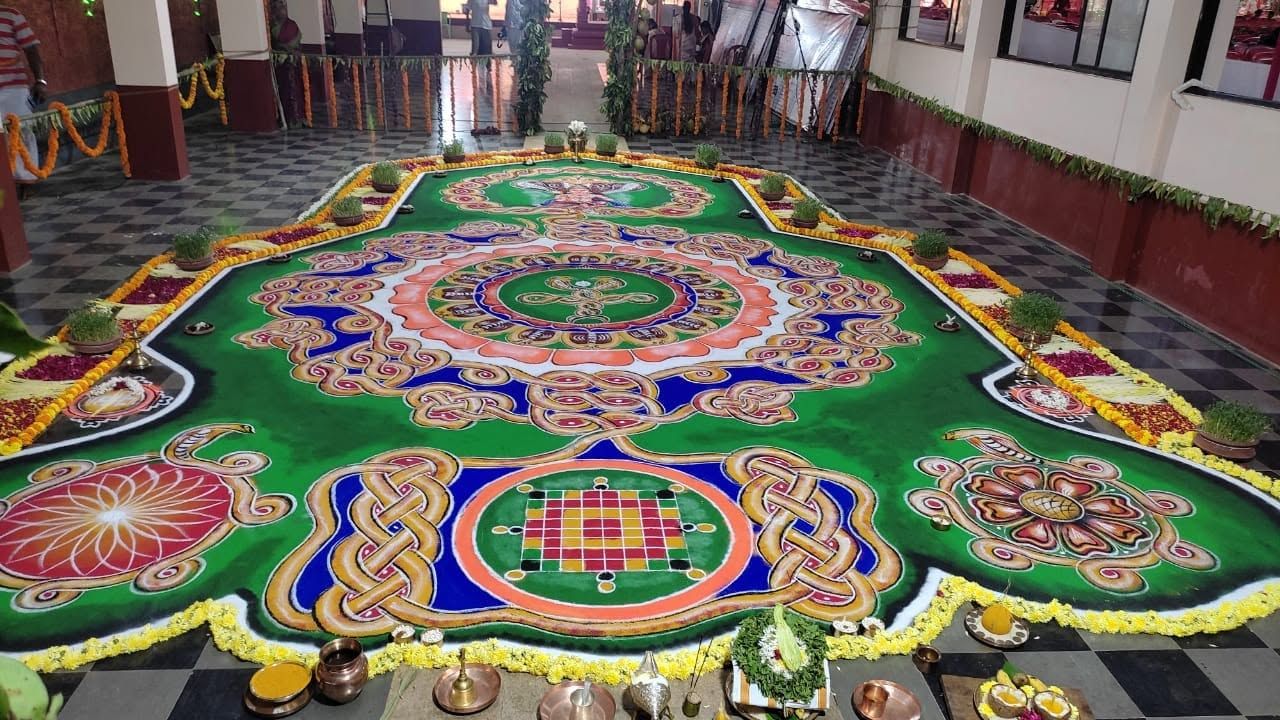
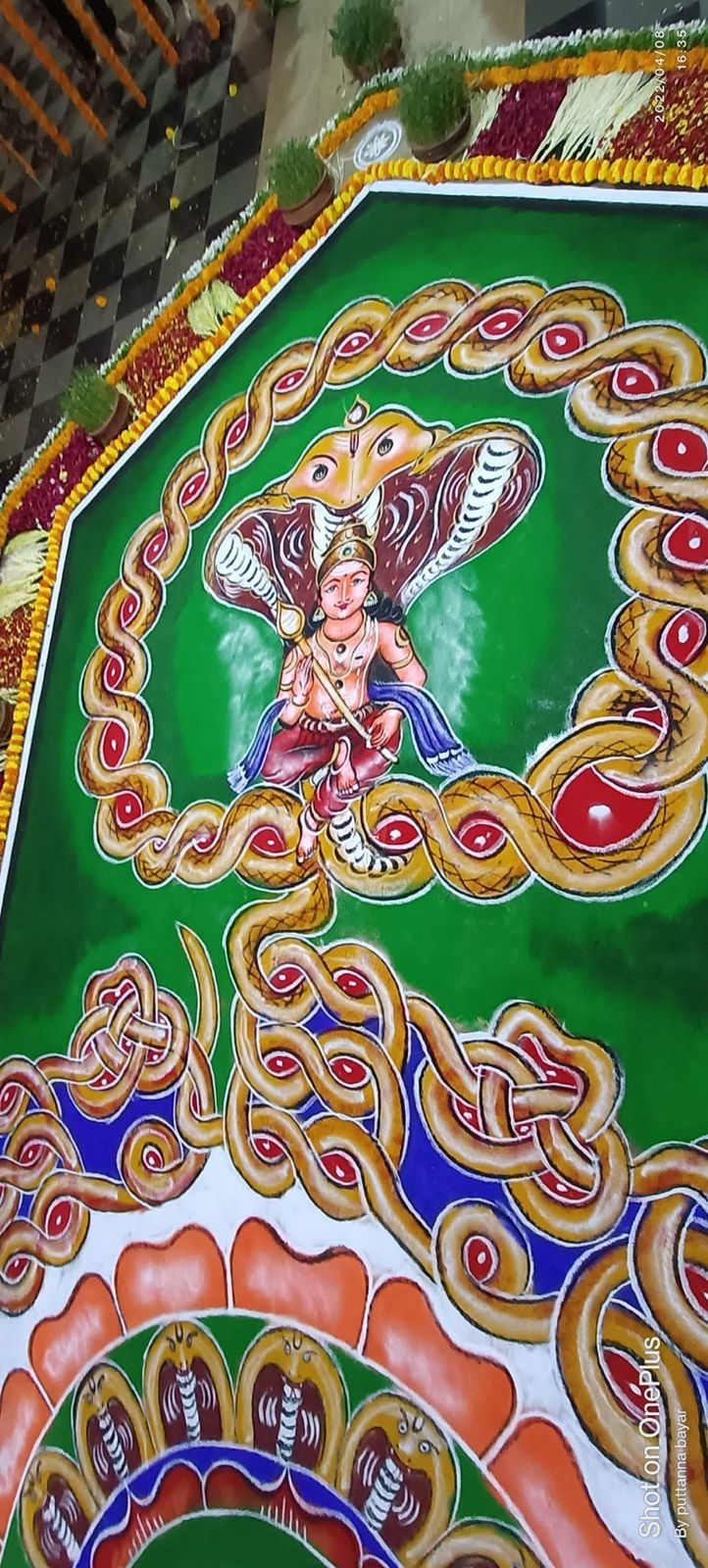
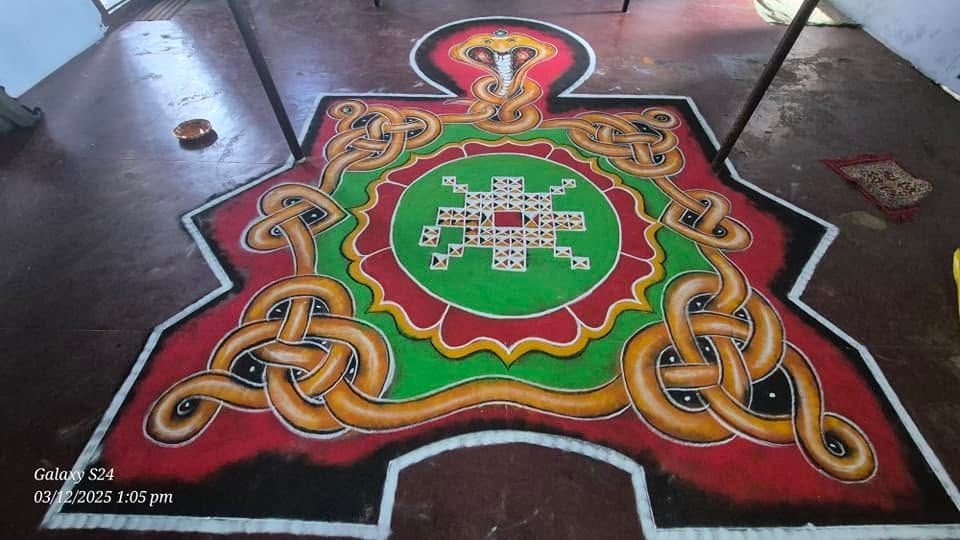
Sacred Naga Mandalas & Ritual Gallery
Authentic visual glimpses of consecrated Naga Mandalas, Yantras, and ritual preparations conducted across sacred kshetras and venues by Bhatru.com's experienced purohits:

Confused about Sarpa Samskara?
Not sure where to perform Sarpa Samskara, what arrangements are required, which place to choose, or how to organize the entire ritual? You don't have to worry about arranging everything yourself.
Simply contact Bhatru.com. Our professional team will help you with an end-to-end Sarpa Samskara arrangement, based on your requirements and convenience.
From coordinating experienced purohits and arranging the appropriate venue to providing the complete pooja samagri required for the ritual, Bhatru.com takes care of the process from beginning to end.
Whether you wish to perform Sarpa Samskara near Kukke Subramanya, Adi Subramanya, or at another suitable location, Bhatru.com is your one platform for complete assistance from planning and priest coordination to the required arrangements, helping you complete the ritual in a simple, authentic, and traditional manner.